Key takeaways
- The clearest signs are changes: in the house, in weight, in mood, in how often they go out, and in how they sound on the phone.
- None of these means a parent cannot cope; they mean it is time for a conversation and, usually, a small amount of regular support.
- Start with a GP review for anything physical, then add company and practical help: a befriender, a shed, or a benefit claim that funds support.
- You can contact AgeTrust on a parent's behalf; we will talk it through with you first, then with them.
Most older people would rather manage than be managed, so they do not tell their children when things are getting harder. The signs are usually there, though, if you know what to look for. Here are the eight we hear about most often, with what each one tends to mean and a practical next step.
1. The fridge is emptier, or fuller of the same thing
Out-of-date food, a freezer full of ready meals, or a loaf and a packet of biscuits where a week's shopping used to be. Cooking for one is hard to motivate, and shopping can become difficult. Next step: ask the GP about weight and appetite, look at supermarket delivery, and consider a lunch club or a befriender who can share a meal.
2. The house is less tidy than it was
Post piling up, washing-up left, a garden going wild. This can be mobility, eyesight, low mood or simply running out of energy. Next step: a home assessment from the council's adult social care team is free and can lead to aids, adaptations and help at home.
3. They have stopped going out
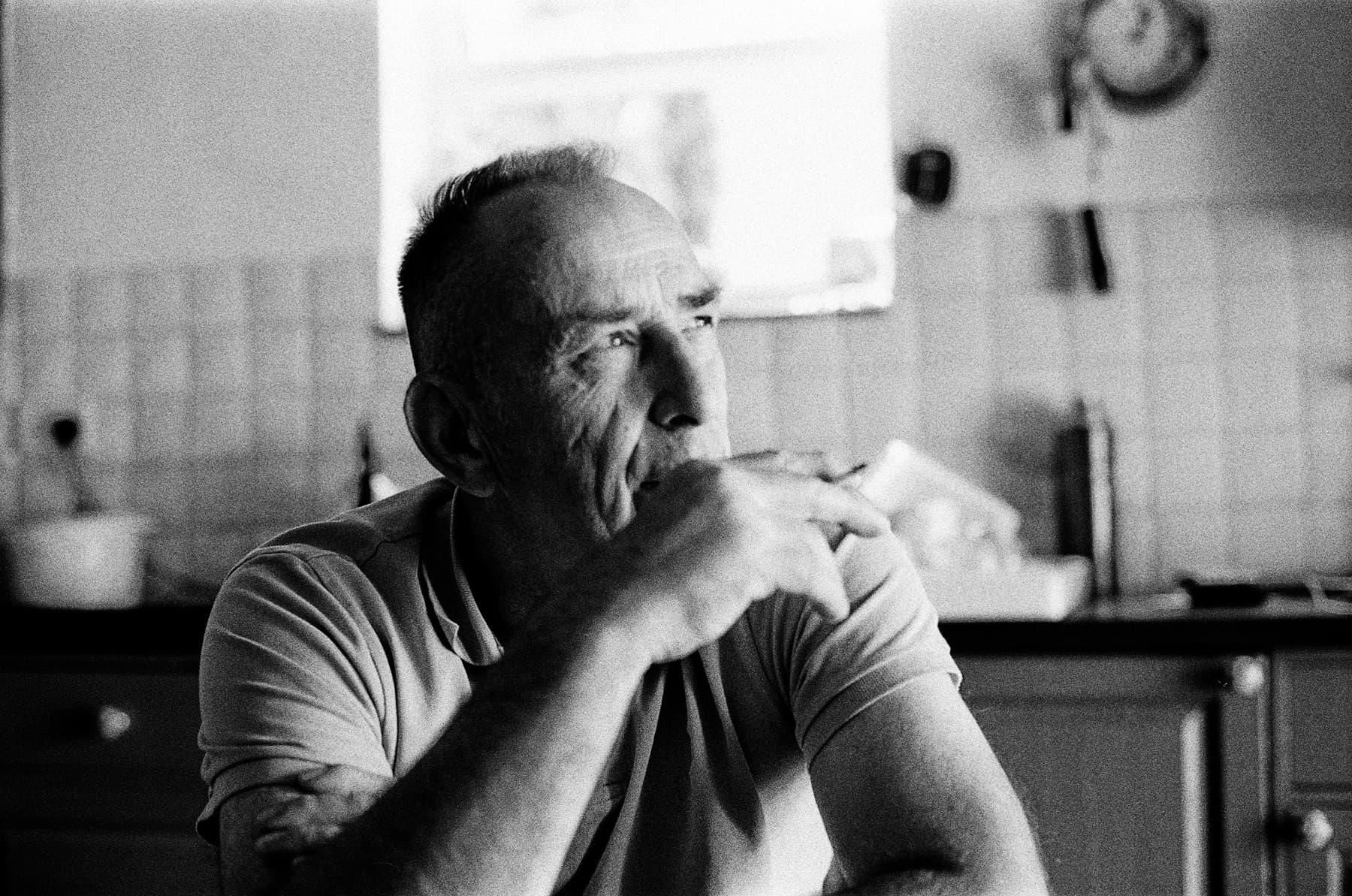
Giving up driving, a bus route changing, a fall that knocked their confidence, or a friend who has died can shrink the world very quickly. Next step: find out what the barrier is, because each one has a fix: a community transport scheme, a walking companion, or a befriender to go with them the first few times.
4. The phone calls are shorter, or they repeat themselves
Repeating stories, losing the thread, or seeming flat and uninterested can be hearing loss, low mood, medication side effects or early memory problems. Next step: a hearing test and a GP appointment first. Our guide to support after a dementia diagnosis explains what help exists if memory is the issue.
5. Unopened letters and unpaid bills
Brown envelopes are frightening, and benefit forms in particular get put in a drawer. Many older people are missing money they are entitled to. Next step: go through the post together, check for Attendance Allowance or Pension Credit entitlement, and get help with any PIP form rather than letting the deadline pass.
6. Weight loss, bruises or a change in walking
Clothes hanging loose, bruises on the arms or shins, holding on to furniture to move around. Next step: these need a GP review, and possibly a falls assessment and a review of medication.
7. Low mood, or saying there is no point
Loneliness and depression in older people often sound like resignation rather than sadness: 'What's the point', 'Nobody needs me'. Next step: take it seriously, tell the GP, and put regular company in place. Our article on loneliness and health explains why this matters so much.
8. They are relying on one person for everything
Often a neighbour, or one child who lives nearest. That person burns out, and if they are ill or away, everything stops. Next step: widen the circle. A weekly befriender, a daily phone call and a community group each take some of the weight.
Frequently asked questions
Sources and further reading

The AgeTrust team
Befriending, Men in Sheds and PIP support
AgeTrust (charity no. 1124019) has worked on older people's health and loneliness since its founding, including national programmes with the NHS and the Department of Health. Articles are reviewed by the team and updated when guidance changes.