Key takeaways
- Befriending is a regular visit or phone call from the same trained volunteer, usually once a week at a time you agree.
- You can refer yourself or a relative with one phone call; there is no form to fill in first and no cost.
- Every volunteer is interviewed, referenced and DBS-checked, and a named coordinator stays in touch with you both.
- Matching takes a couple of weeks because a good match, based on location and shared interests, is what makes it work.
Befriending sounds simple, and it is: a friendly person visits or calls regularly. But people often hesitate because they are not sure what it involves, who the volunteer will be, or whether they are 'lonely enough' to qualify. This guide answers those questions step by step.
What is befriending?
Befriending is regular, reliable company from a trained volunteer. It can be a weekly home visit, a telephone call at the same time each day or week, or help getting out to a shop, a club or the shed. The aim is simple: someone who turns up when they say they will, and a relationship that grows over time.
Who is befriending for?
Anyone older who feels lonely or isolated, whether they live at home, in sheltered housing or in a care home. You do not need a diagnosis, a referral or a particular level of need. Family members and carers can get in touch on someone's behalf; we will talk it through with you first, then with them.
What happens when you get in touch?
- You call or send a message. Tell us what is going on in your own words. We will ask where you live, what you enjoy and whether you would prefer visits, calls or both.
- We find a volunteer nearby. We look for someone local who shares some of your interests. Every volunteer has been interviewed, has given two references and has an enhanced DBS check that we arrange and pay for.
- Your coordinator introduces you. They come along to the first visit, then check in regularly with you both to make sure it is working.
- It becomes part of the week. Most people settle into a regular slot, say Thursday at two, and that reliability is the point.
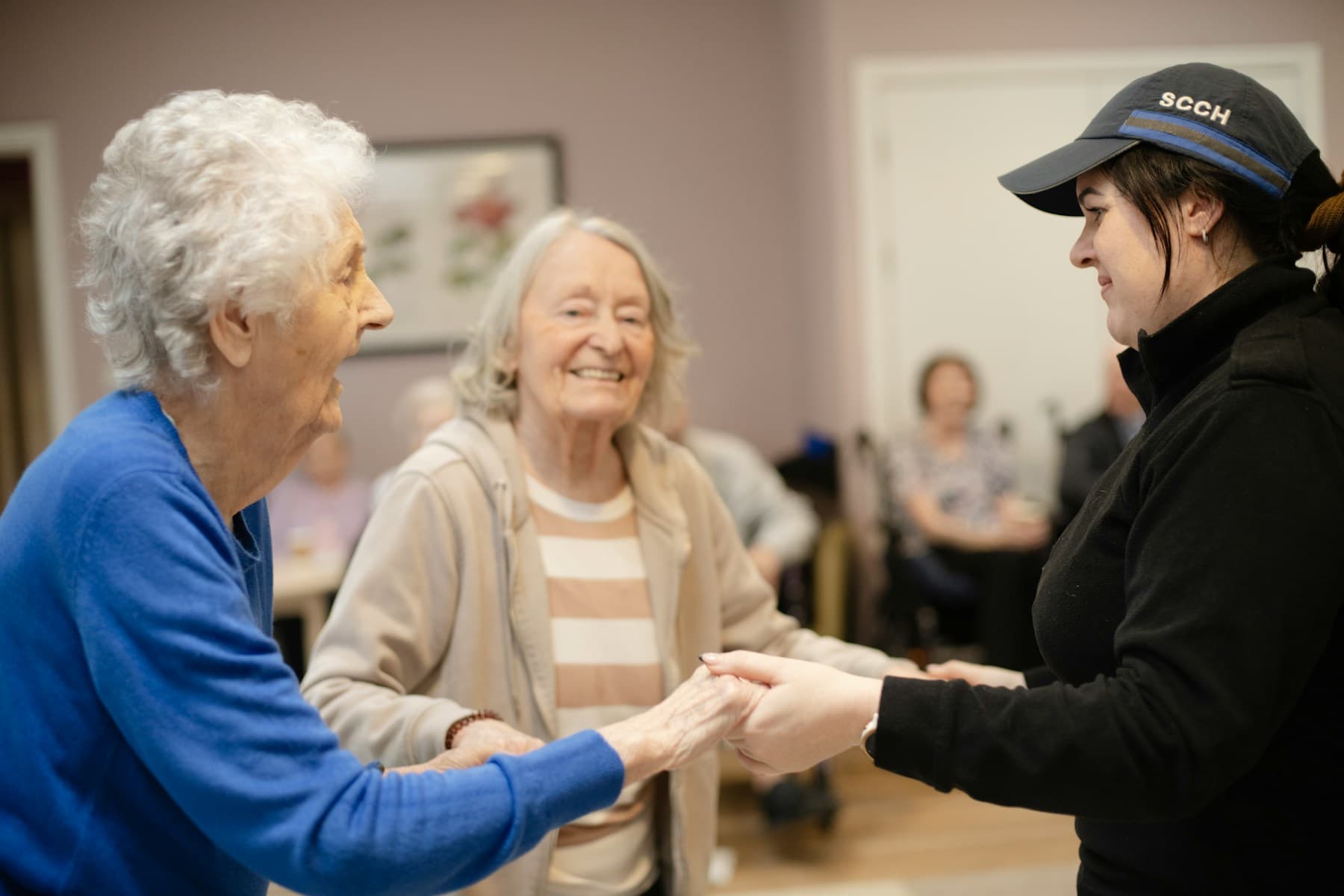
What does a befriender actually do on a visit?
Mostly, they listen and talk. A typical visit lasts about an hour: a cup of tea, a chat about the week, the news or the garden, perhaps a game of cards or a short walk if you fancy it. Befrienders are not carers or cleaners, and they do not give medical or financial advice. If they notice something that worries them, they tell the coordinator so the right help can be arranged.
Is telephone befriending different?
Telephone befriending is a call at a pre-agreed time, often every day, from the same person. We run it with our partner Home to Home Calls. The call might include a welfare check and a medication reminder, or it might simply be a chat. It suits people who cannot easily have visitors, and families who want the reassurance that someone has spoken to their relative today.
Frequently asked questions
Sources and further reading

The AgeTrust team
Befriending, Men in Sheds and PIP support
AgeTrust (charity no. 1124019) has worked on older people's health and loneliness since its founding, including national programmes with the NHS and the Department of Health. Articles are reviewed by the team and updated when guidance changes.