Key takeaways
- A befriender visits or calls the same person regularly, usually an hour a week, at a time you both agree.
- No qualifications are needed; patience, warmth and reliability matter far more.
- AgeTrust provides an induction, a named coordinator, an enhanced DBS check we pay for, travel expenses and a reference.
- Volunteers consistently report better mood and a sense of purpose; many say Thursday afternoons are the best part of their week.
People often assume befriending needs special skills, or that it will be sad. In practice it is a cup of tea and a conversation with someone who is glad to see you, and the hardest part is turning up on time. Here is an honest account of what you would be signing up for.
What does a volunteer befriender actually do?
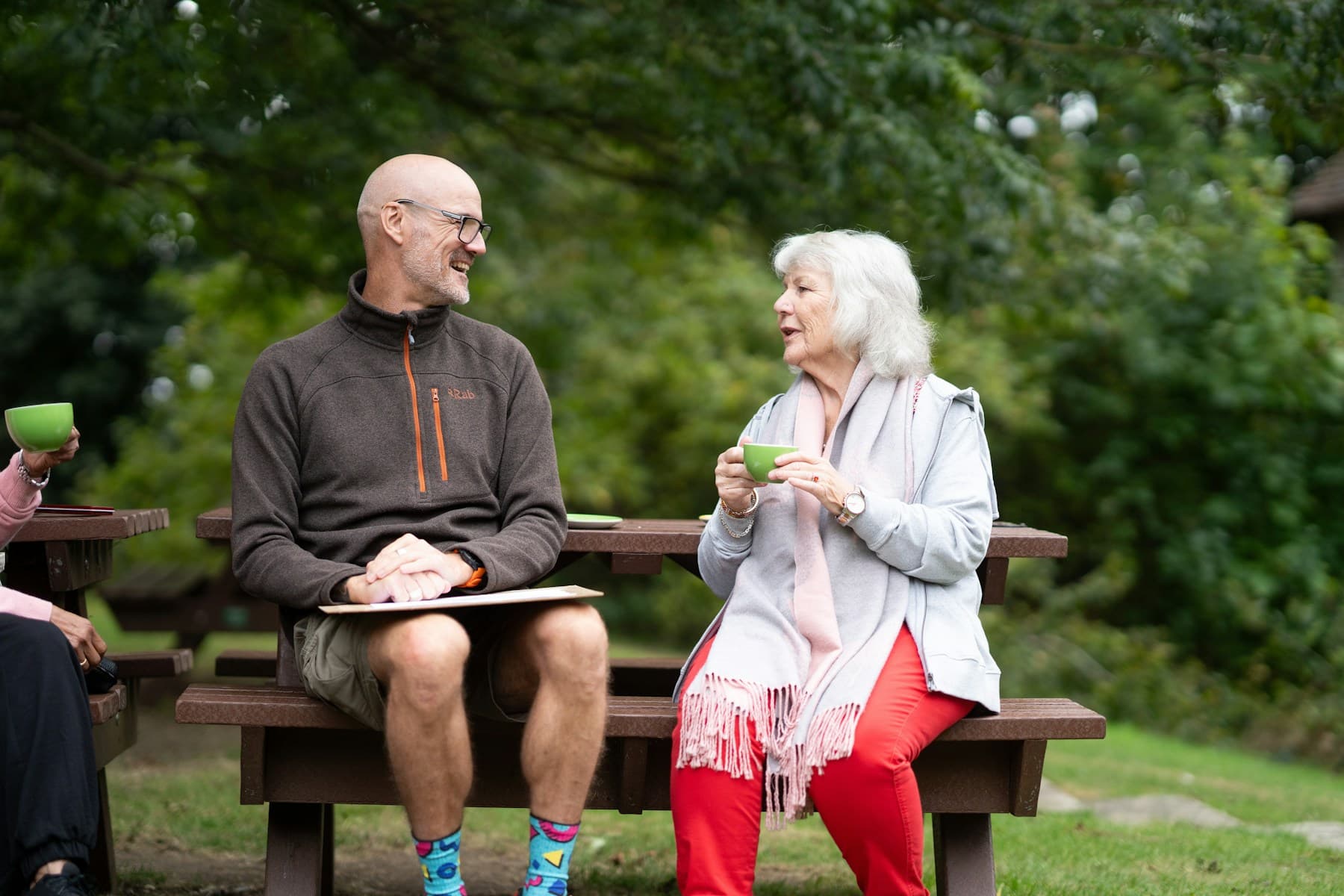
You are matched with one person, based on where you live and what you have in common. You visit at a regular time, usually once a week for about an hour, or you call at a set time if you are a telephone befriender. You talk, you listen, you might play cards or walk to the shop together. You are not a carer: you do not do personal care, cleaning or medication, and you do not give advice. If something worries you, you tell your coordinator.
What training and checks are involved?
- An informal interview and two references.
- An enhanced DBS check, arranged and paid for by AgeTrust.
- A short induction covering boundaries, safeguarding, confidentiality and what to do if you are worried about someone.
- A named coordinator you can call, and regular check-ins.
- Travel expenses reimbursed, and a reference when you need one.
How much time does it take?
About an hour a week for a visiting befriender, plus travel. Telephone befrienders give 20 minutes a few times a week from home. We ask for a commitment of at least six months, because consistency is the whole point for the person you visit, but we understand that life changes and we will always talk it through.
What do volunteers get out of it?
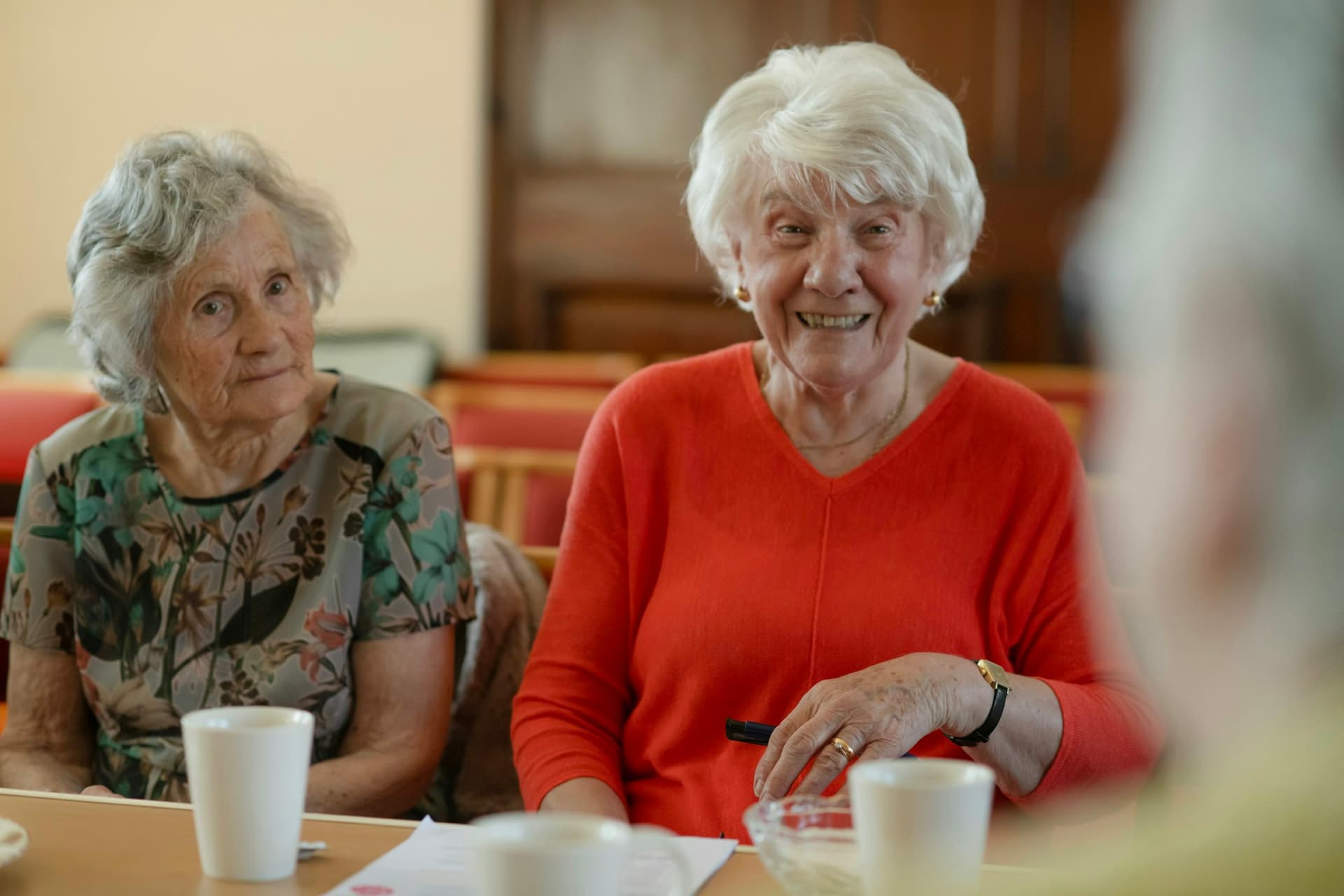
Purpose, routine, and a friendship that often surprises them. Volunteers tell us that befriending improved their own mood, that they learned things about their town they never knew, and that the person they visit became someone they looked forward to seeing. Retired people, students, parents with a free afternoon and people working from home all volunteer with us.
I thought I would be doing something for Jean. As it turns out, Thursday afternoons are the best part of my week too.
Frequently asked questions
Sources and further reading

The AgeTrust team
Befriending, Men in Sheds and PIP support
AgeTrust (charity no. 1124019) has worked on older people's health and loneliness since its founding, including national programmes with the NHS and the Department of Health. Articles are reviewed by the team and updated when guidance changes.